Seeing Gambling
Everywhere?
Sometimes, we ignore the signs of problem gambling.
Even when they’re right in front of us.
Seeing Gambling
Everywhere?
Sometimes, we ignore the signs of problem gambling. Even when they’re right in front of us.
How Can We Help?
Find support, resources, and real solutions for problem gambling in Louisiana. The helpline is available 24/7. All conversations are 100% confidential, and treatment is FREE to Louisiana residents.
What Happens When You Call?
What Happens
When You Call?
When you contact the Louisiana Problem Gamblers Helpline at (877-770-STOP), here’s what you can expect:
- Connect with a trained professional
Available 24/7, they’ll listen, ask a few questions, and assess your situation with care. - Receive support and information
The specialist will provide options based on your needs, whether it’s treatment, financial counseling, or someone to talk to. - Get connected to free resources
You’ll be referred to certified counselors or local service providers who specialize in gambling recovery, at no cost. - Decide your next steps
There’s no pressure. You choose what feels right for you, whether that’s setting an appointment or just learning more.
What is Problem Gambling?
Problem gambling is characterized by behavior that can severely impact your well-being. It occurs when gambling or betting begins to interfere with work, school, or other responsibilities; causes financial stress; harms mental or physical health; damages your reputation; or leads to relationship problems with family and friends.
Understanding
Gambling Problems

It’s Not Just About the Money.
Problem gambling is less about how much money you win or lose and more about how gambling makes you feel and the role it plays in your life.
It Can Be Hidden.
Many people with gambling problems go to great lengths to hide their behaviors, which can delay support and strain relationships.
It Often Coexists with Other Issues.
Problem gambling is frequently linked to mental health challenges such as depression, anxiety, and substance use.
Help is Available.
Recovery is possible, and there are confidential resources and treatment options that can provide support every step of the way.
It Can Develop into a Disorder.
Like substance use disorders, gambling disorder is a behavioral addiction listed in the DSM-V that involves a loss of control and a compulsion to continue despite negative consequences.
How Gambling Is Different from Other Addictions

No Visible Symptoms
There are no bloodshot eyes, slurred speech, or physical withdrawal.
 Easier to Hide
Gambling often takes place online or alone, making it easier to conceal.
Socially Accepted
Sports betting, lottery play, and casino trips are often seen as harmless fun, masking the signs of addiction.
 Financial Harm is Delayed
People may use credit cards or borrow money to continue gambling, making the impact harder to detect until it’s severe.
Why It’s Hard to Spot
Problem gambling is often called the “hidden addiction” for a reason. Unlike substance use disorders, there are no physical signs, no smells, and no clear evidence left behind. People struggling with gambling can often hide the problem for months or even years.
Unlike alcohol or drug use, gambling doesn’t leave visible marks. But the emotional, financial, and relational damage can be just as serious.
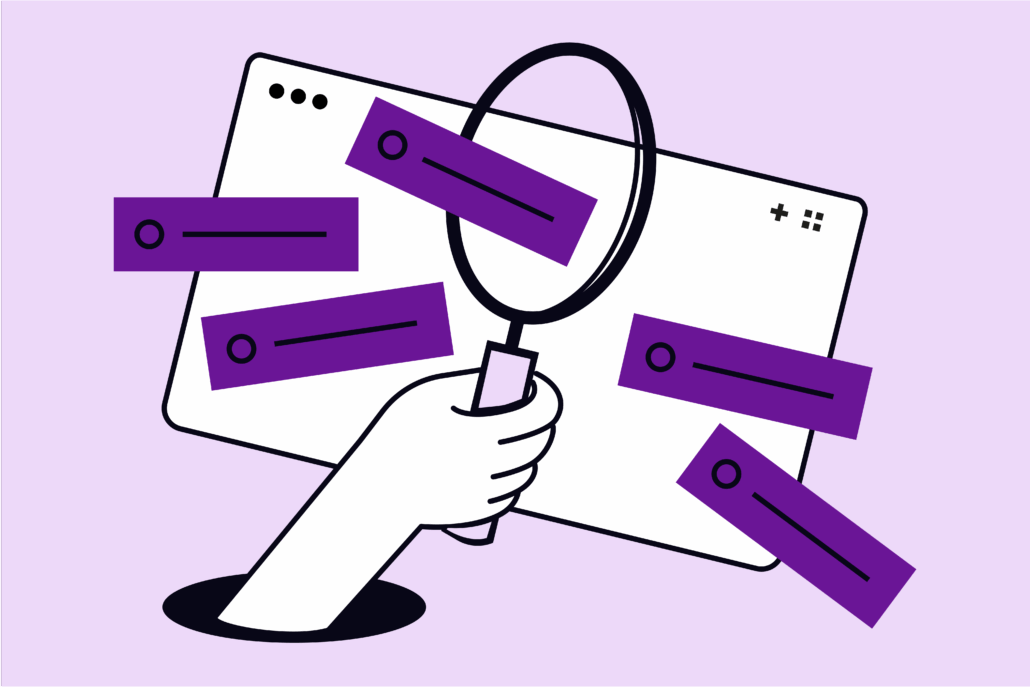
Know the Signs and Symptoms
Problem gambling isn’t always easy to spot. Know the signs of problem gambling before getting in too deep. Problem gambling can develop gradually and may be hard to recognize at first. If you or someone you know if showing any of the following behaviors, it could be an early warning sign of a gambling disorder:

Behavioral
- Feeling the need to hide or lie about gambling habits
- Struggling to control or stop gambling
- Gambling longer or more often than intended
- Increasing the size of bets to chase a “high” or recover losses
- Creating excuses to gamble or canceling other plans to do so
- Gambling even without the money to do so

EMOTIONAL & SOCIAL
- Constant thoughts or tension around gambling
- Restlessness, irritability, or mood swings when not gambling
- Withdrawing from family, friends, or normal activities
- Notable personality changes like increased anger or hostility
- Friends and family expressing concern

FINANCIAL & LEGAL
- Bragging about wins while avoiding discussion of losses
- Borrowing money frequently or redirecting family funds to gamble
- Unexplained wealth or possessions
- Missing work or home responsibilities
- Involvement in theft or other criminal activity to fund gambling
FAQs
You’re not alone. Find support groups and local resources where you can talk openly and get help.
What is a gambling disorder?
Gambling is a recognized disorder by the DSM-IV as behavior which causes disruptions in any major area of life: psychological, physical, social, or vocational.
What are essential features of problem gambling?
• Increasing preoccupation with gambling
• A need to bet more money more frequently
• Restlessness or irritability when attempting to stop
• “Chasing” losses
• Loss of control shown by continuing to gamble despite serious negative consequences.
• In extreme cases, problem gambling can result in financial ruin, legal problems, loss of career and family, or even suicide
Is problem gambling only a financial problem?
NO. Problem gambling is an emotional problem that has financial consequences. If you pay all of a problem gambler’s debts, the person will still be a problem gambler. The real problem is that they have an uncontrollable problem with gambling.
How much money do you have to lose before gambling becomes a problem?
The amount of money lost or won does not determine when gambling becomes a problem. Gambling becomes a problem when it harms any area of the individual’s life.
How can someone be addicted to something that is not a substance?
People with gambling disorders get the same affect from gambling as someone else might get from taking a drug or having a drink. It alters the person’s mood and the gambler keeps repeating the behavior attempting to achieve that same effect. But just as tolerance develops to drugs or alcohol, the gambler finds that it takes more and more of the gambling experience to achieve the same emotional effect as before. This creates an increased craving for the activity and the gambler finds they have less and less ability to resist as the craving grows in intensity and frequency.
What kind of people become problem gamblers?
Anyone who gambles can develop problems if they are not aware of the risks and do not gamble responsibly. When gambling behavior interferes with finances, relationships, and the workplace, a serious problem already exists.
What can we, as a family, do to help?
Educate yourself on gambling addiction. This problem is different than alcohol and drug addiction. Next, set boundaries with your loved one and stick to them. Receive support or counseling from others on these boundaries. Discuss with a professional the option of conducting an intervention, if necessary.
Why can’t a person simply use willpower to stop gambling?
If they could, they would. Most people come to recognize their lack of power to solve certain problems, including gambling, were not working. Many people have abstained from gambling for long periods only to be caught off guard and under the right set of circumstances, start gambling again. The defense of willpower alone didn’t seem to work well on its own.
How widespread is problem gambling in the U.S.?
Two million (1%) U.S. adults are estimated to meet the criteria for gambling disorder in a given year. Another 4 million to 6 million (2% to 3%) would be considered problem gamblers; that is, they do not meet the full diagnostic criteria for gambling disorder but meet one or more of the criteria and are experiencing problems due to their gambling behavior. Research also indicates that most adults who gamble can do so responsibly.
Where can someone go for help?
Call or text the Louisiana Problem Gamblers Helpline at 877-770-STOP (7867). The helpline is available 24/7 and it’s toll-free and confidential. You can also connect to a 988 specialist if you need emergency emotional support.
Find a gambling service provider throughout the state HERE.